Kyle Lehmann

Software Engineer, UI/UX Designer

Let's add some color to your code.

Hello! I'm Kyle, a new graduate in Computer Science from Maryville University. Coding and design have been my passions since middle school.

My university work included software architecture design, user research, interface design, and building a CI/CD pipeline.
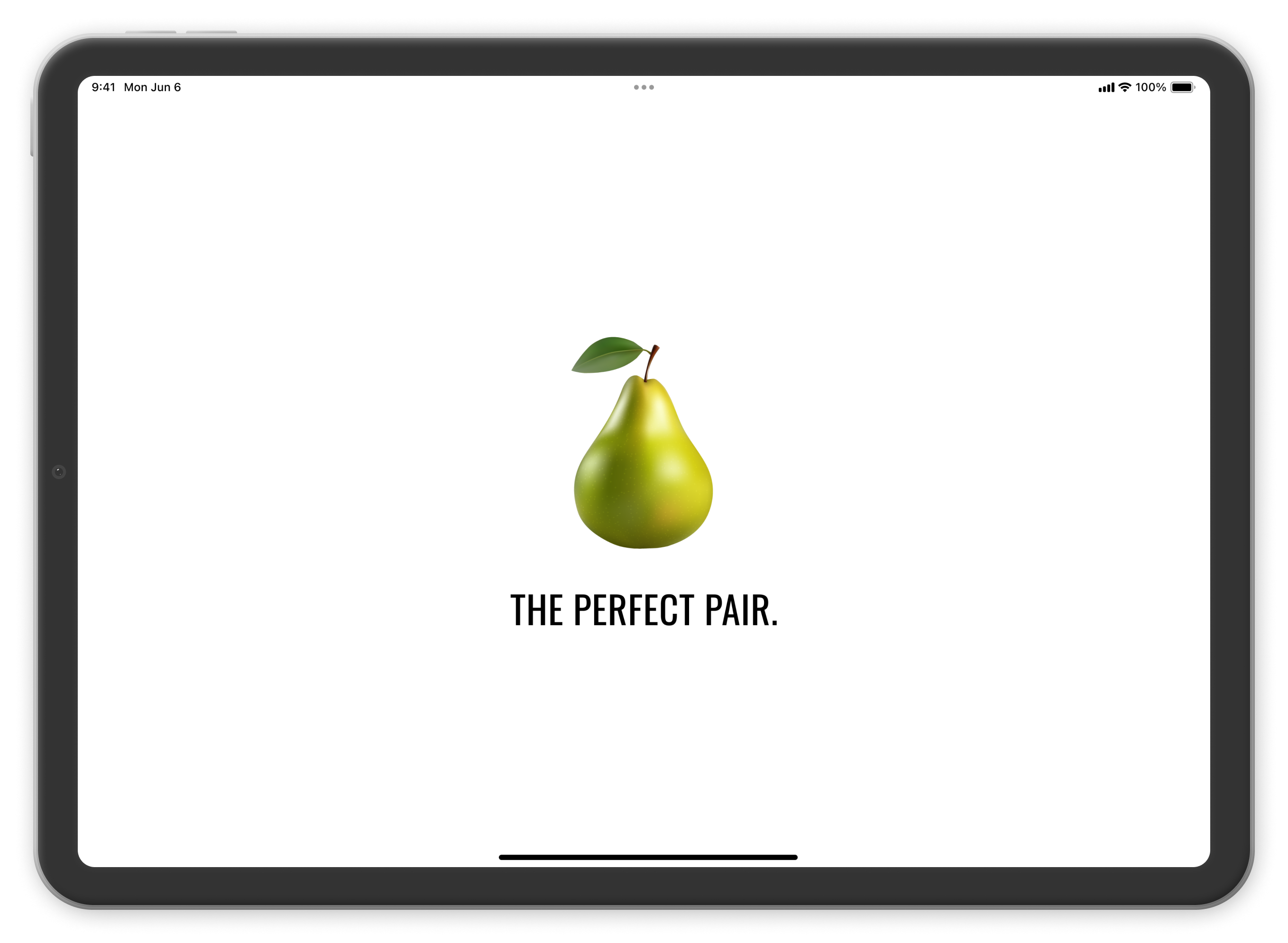
The Perfect Pair.

Matching meals made easy.

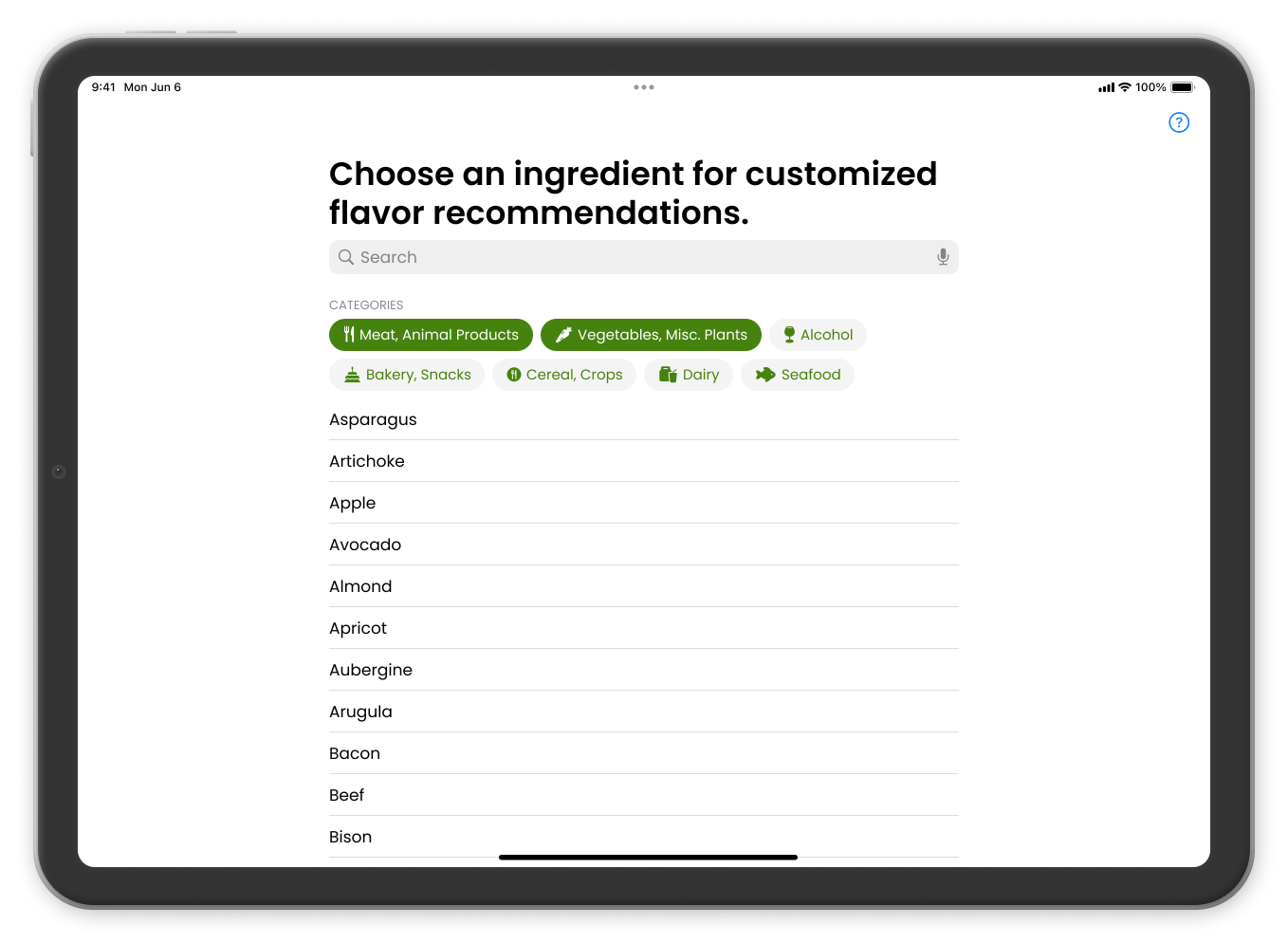
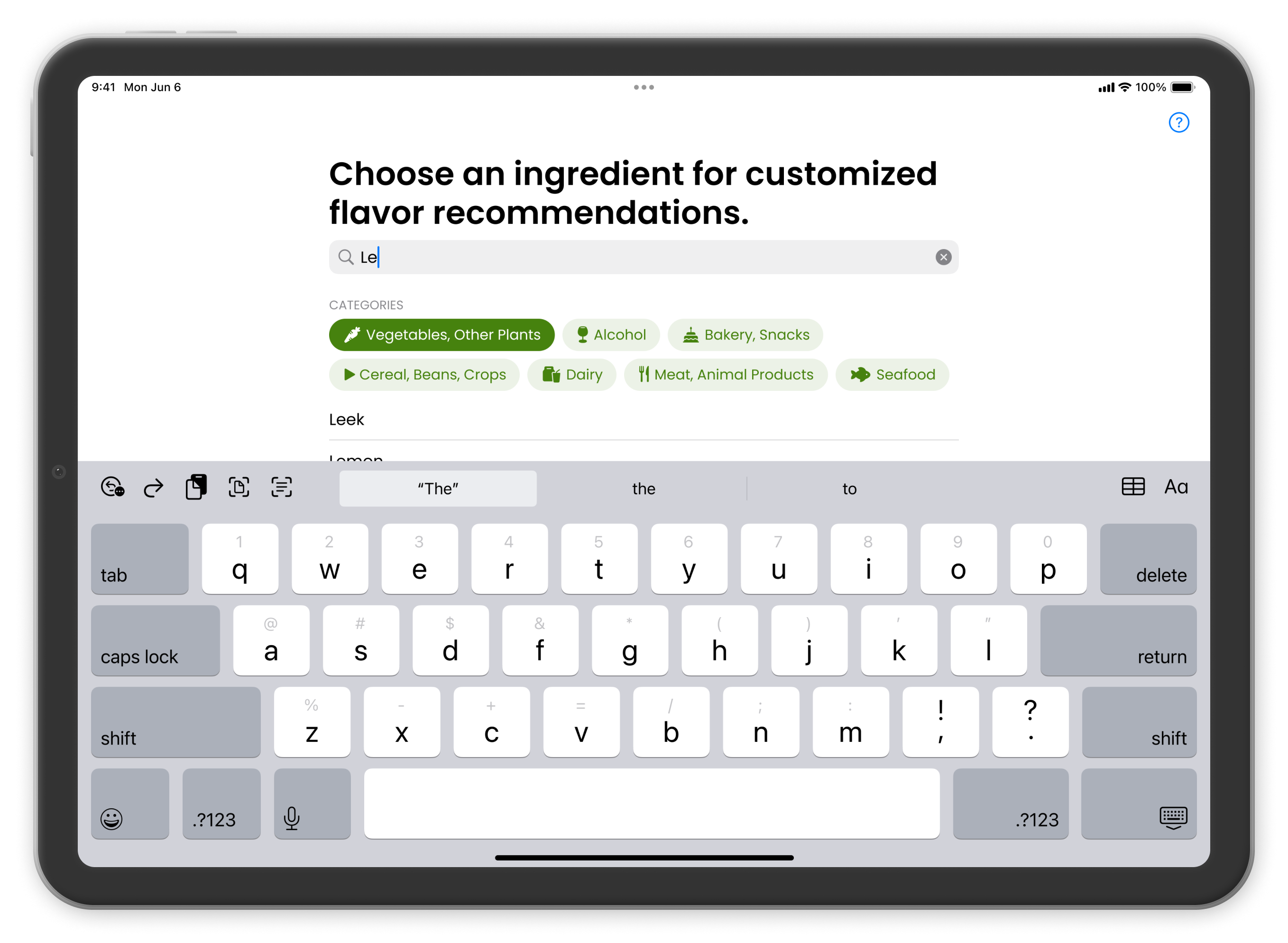
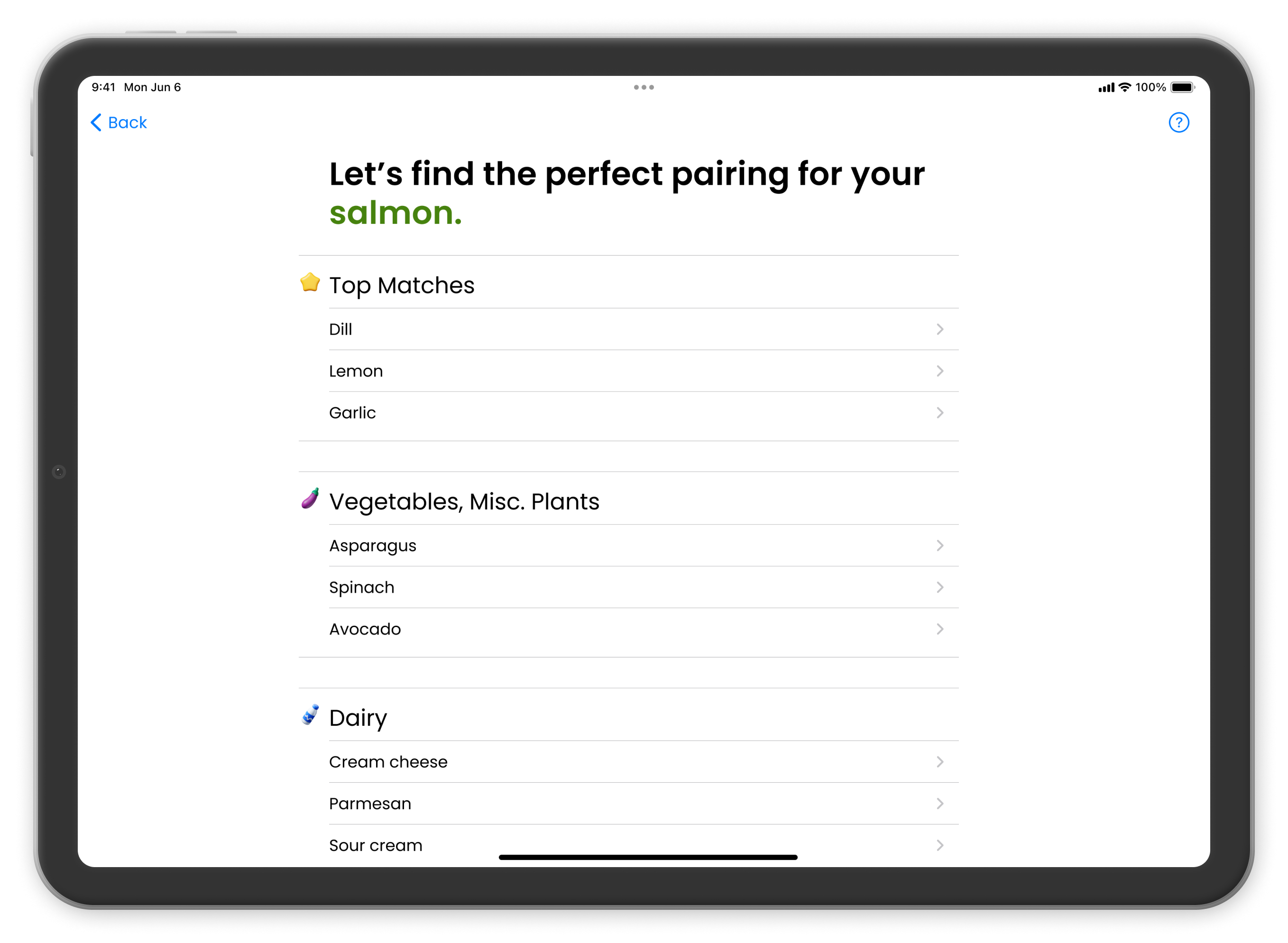
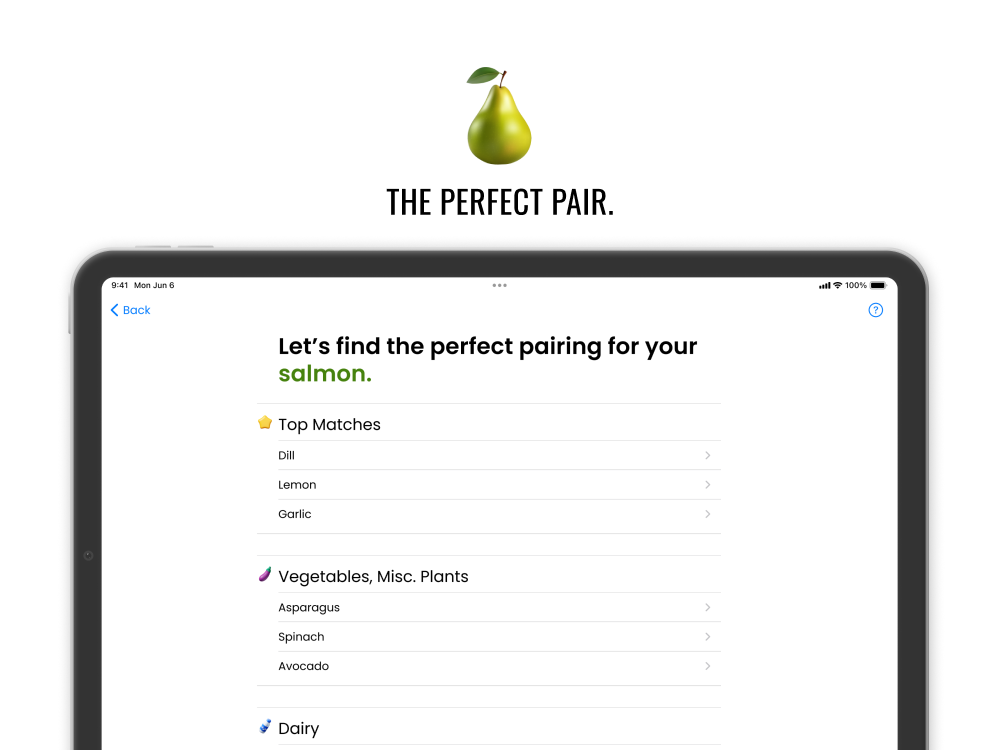
A culinary iOS app that provides users with intelligent ingredient pairings, powered by a machine learning model trained on over 1 million recipes and 1,500 flavor molecules.

The Perfect Pair logo, and an iPad showing a screenshot of the application.

The Problem

I love to cook at home, and often struggle creating flavorful meals that don't feel repetitive. I know I am not alone, and many home cooks don't know how to utilize the ingredients in their pantry.

The Solution

The Perfect Pair uses its on-device machine learning model to provide users logical ingredient pairings for the items in their pantry. You can find the perfect herbs for your baked chicken, or a nice wine to pair with your favorite cheese. Once you find your perfect pair, you can instantly search for recipes that include both items.

The Process

The design focuses on readability—users preferred a minimal UI for easy kitchen use with high contrast elements. The FlavorGraph open dataset provided a foundation to build and tune a PyTorch model, which was converted to Core ML for on-device use.

The Results

Users enjoy the ease of use, and the quality of the suggestions that the model outputs. They also report less food waste in their kitchens, as they can find creative ways to incorporate ingredients they already have.

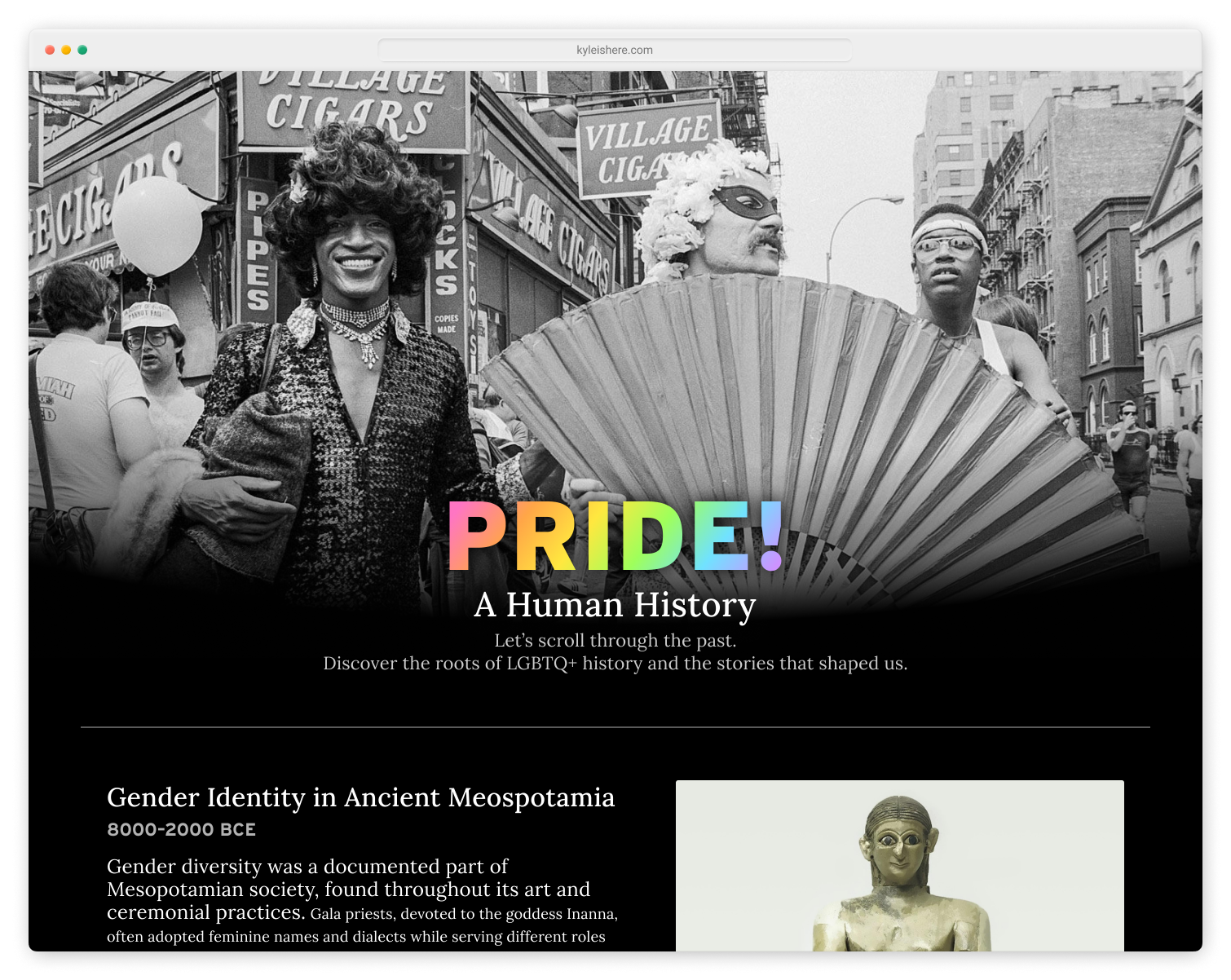
PRIDE! A Human History

Celebrating the colorful legacies of queer people.

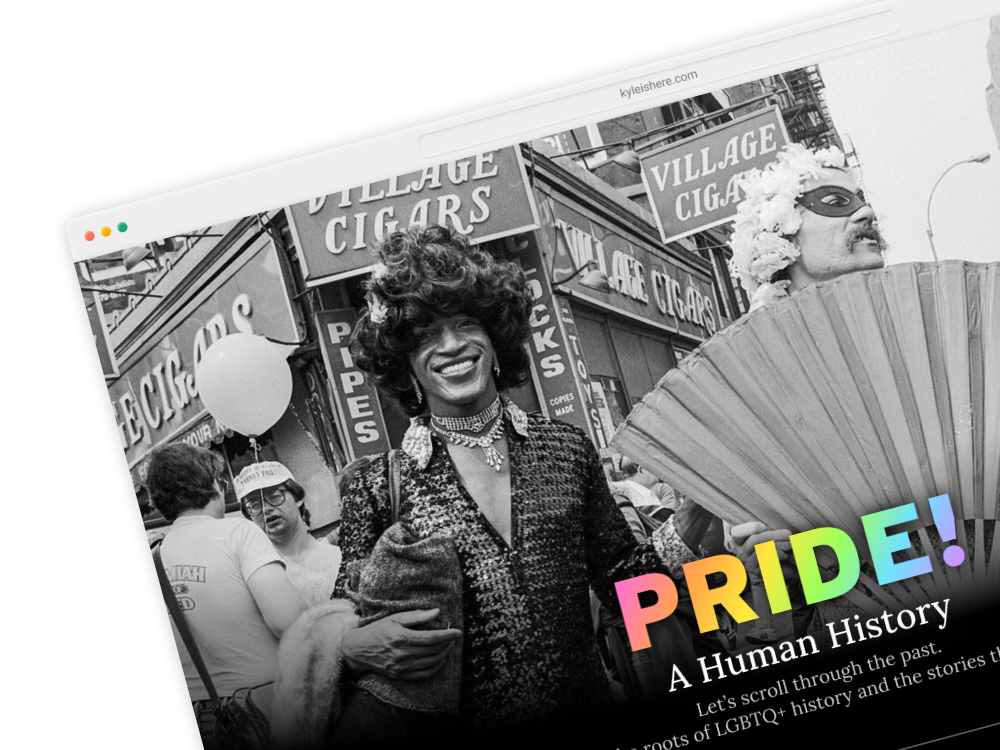
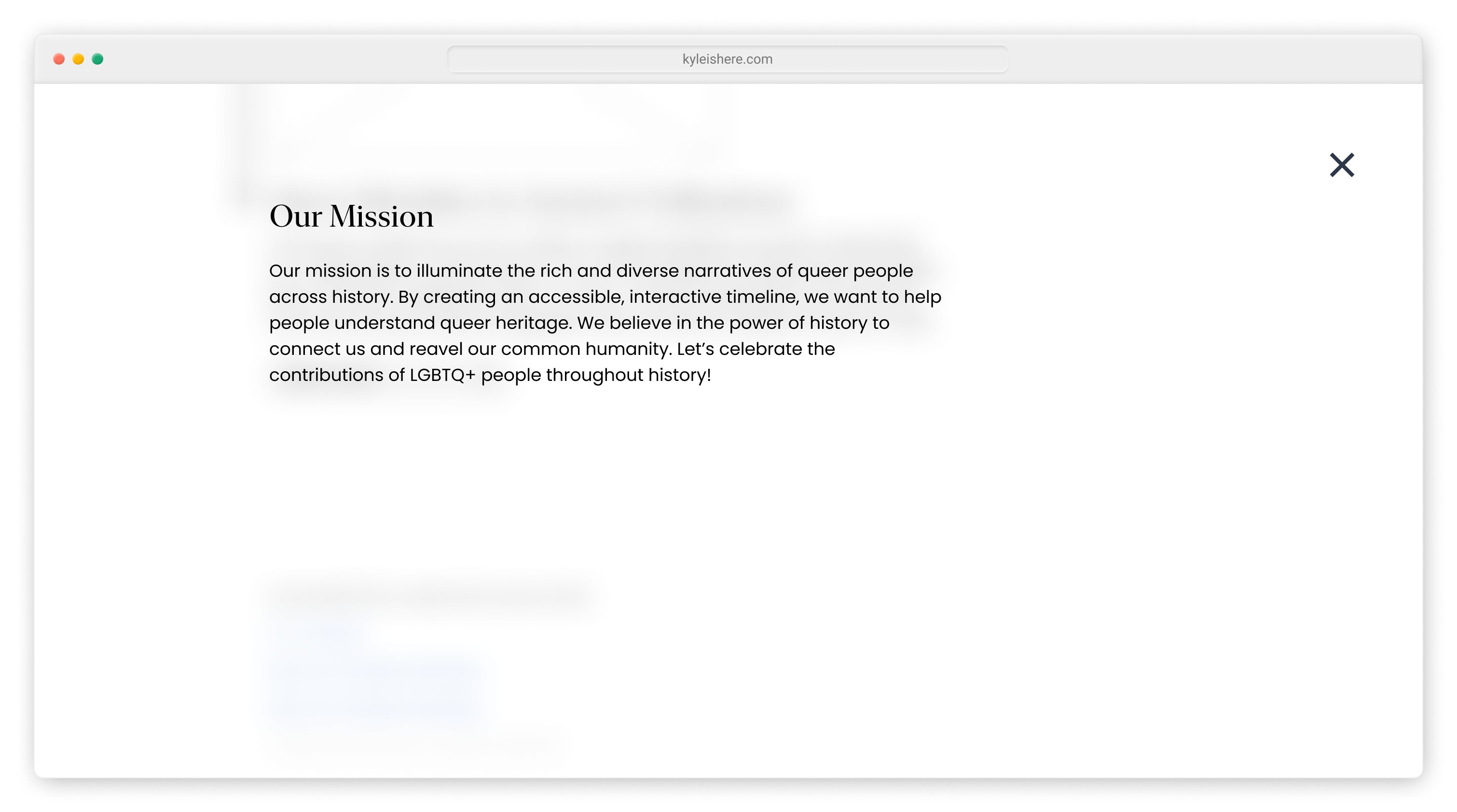
A web-based educational tool designed to bridge the education gaps in LGBTQ+ history. Conceived from personal experience, the site explores the often overlooked aspects of queer history.

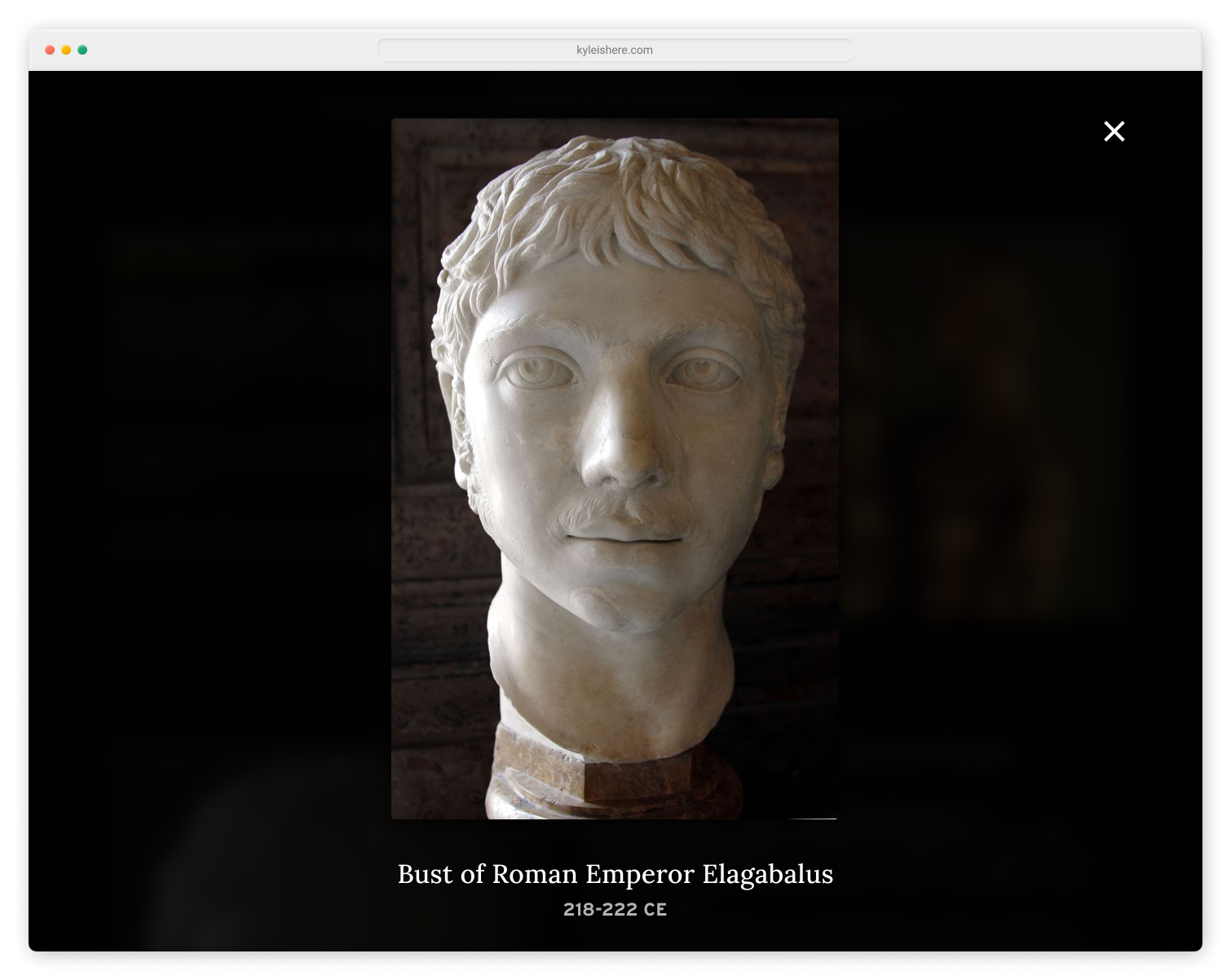
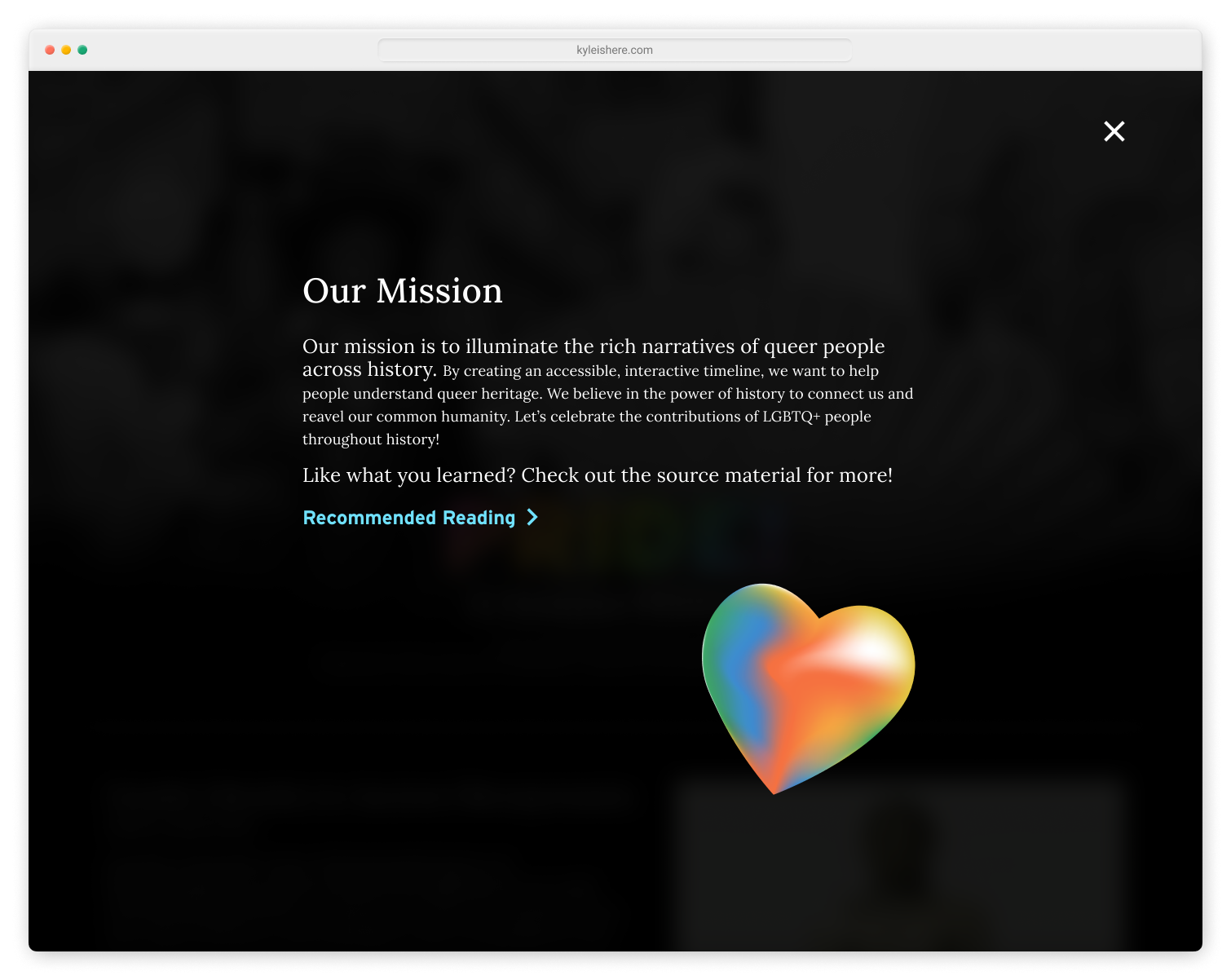
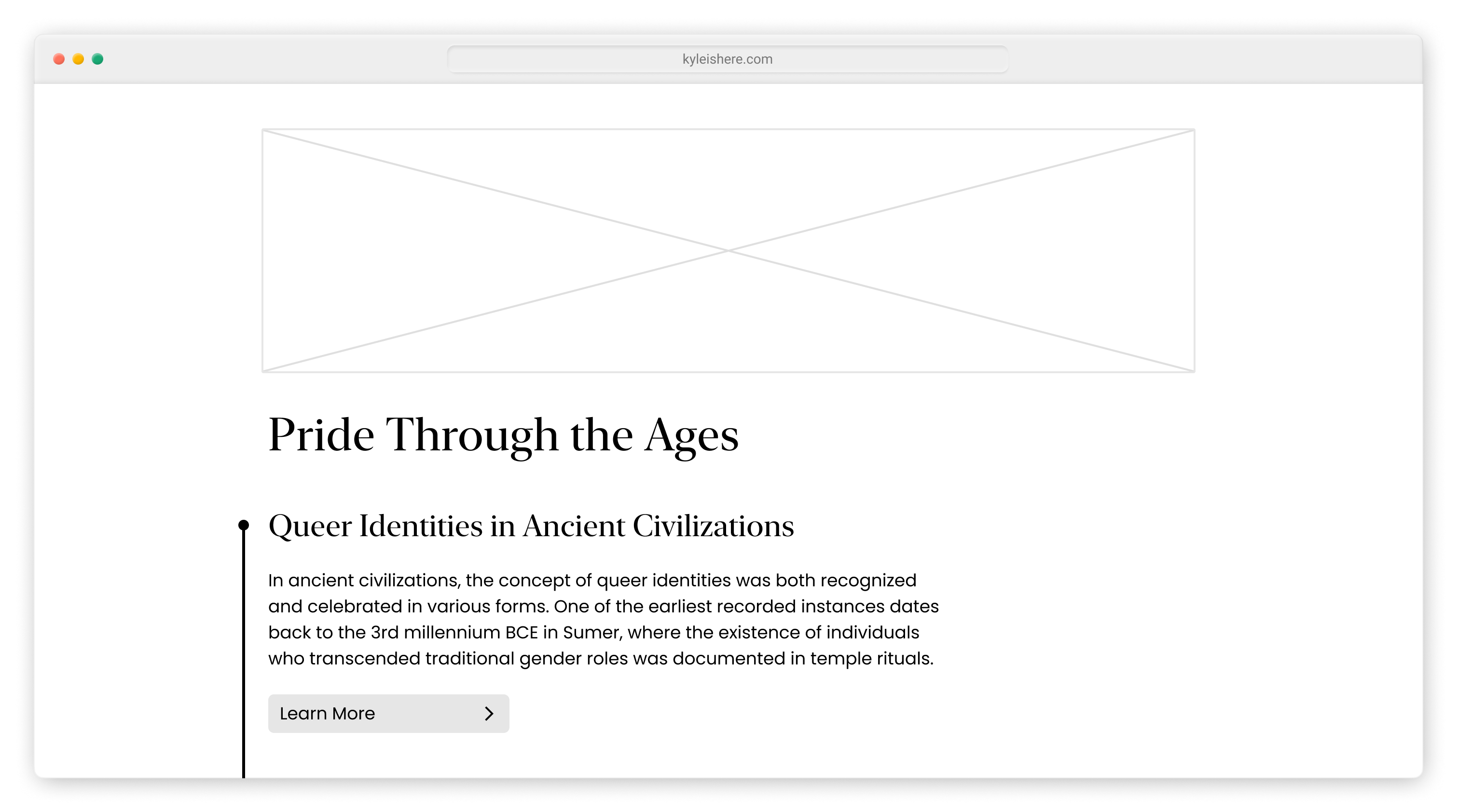
A web browser window showing the landing screen for the website

The Problem

Growing up a gay man in the Midwest, I rarely found accurate representations of queer history in my education, let alone any representation. Not having this historical context isolates queer people and doesn't provide us an understanding of our place in history.

The Solution

"PRIDE! A Human History" provides an accessible platform that showcases the milestones, figures, and cultural achievements of the LGBTQ+ community. The projects touches on the joys of queer history as opposed to the often portrayed images of struggle and suffering.

The Process

The project required detailed research through scholarly articles and historical records to capture an authentic representation of history. The site was designed with a crisp interface that focuses on text and media content without unnecessary clutter.

The Results

Both queer and non-queer users found the site informative and unique. The positive reception from LGBTQ+ readers indicated that the site was able to empower queer people and help them feel connected through time.

Cleaner Coast

Shaping cleaner shores.

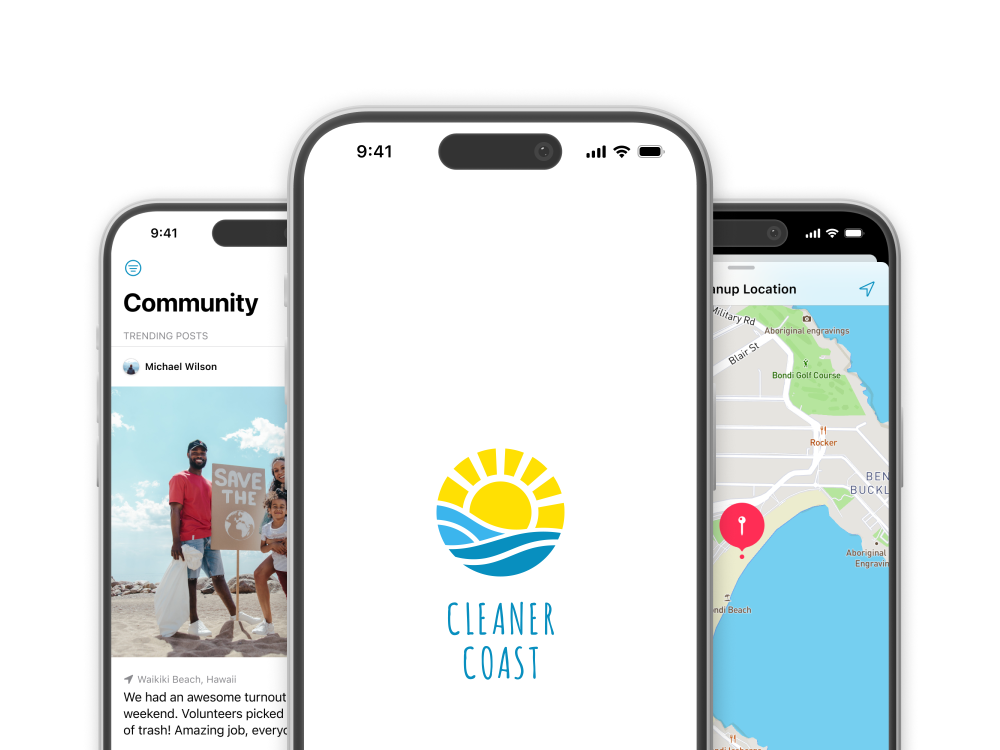
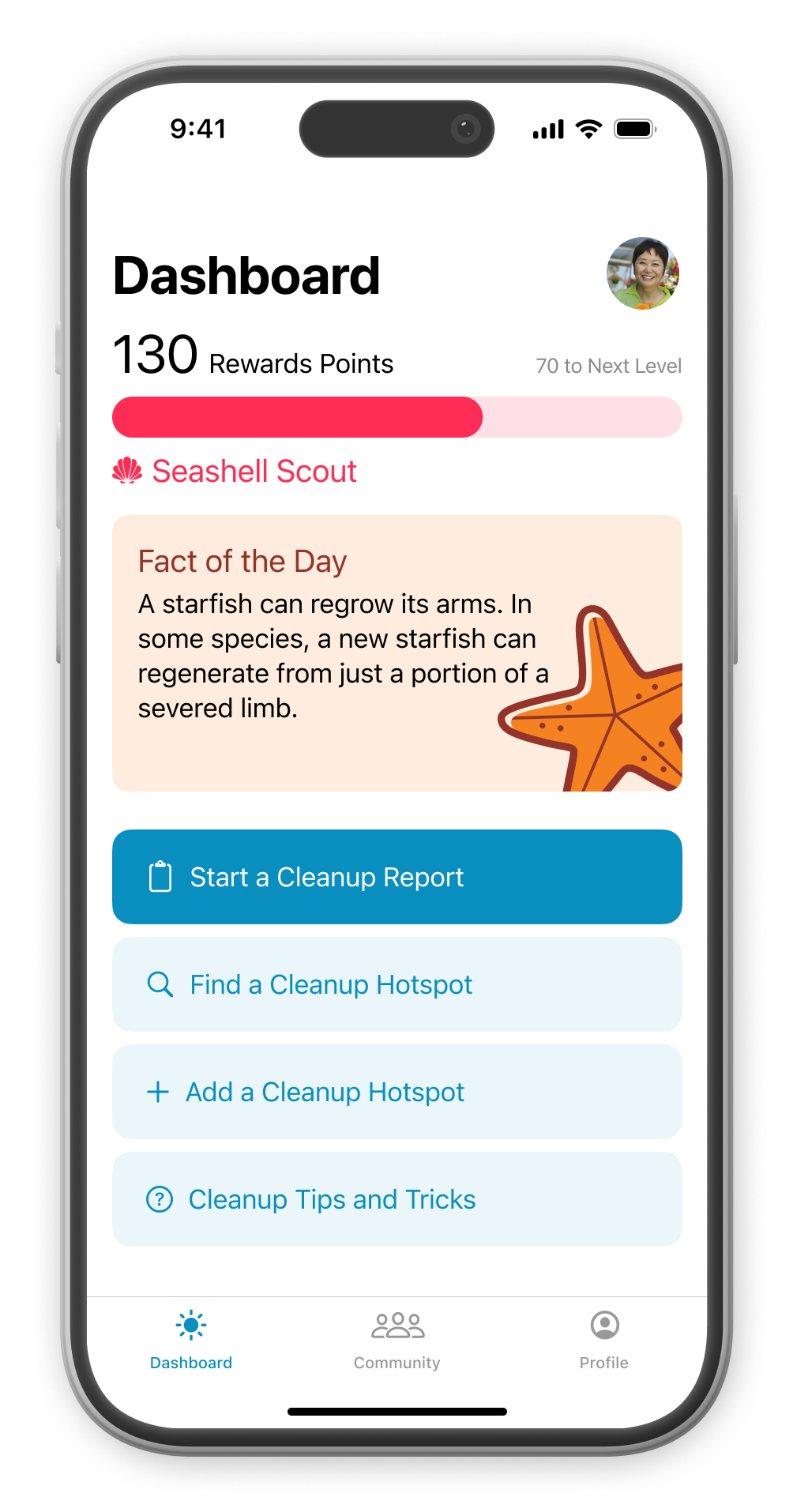
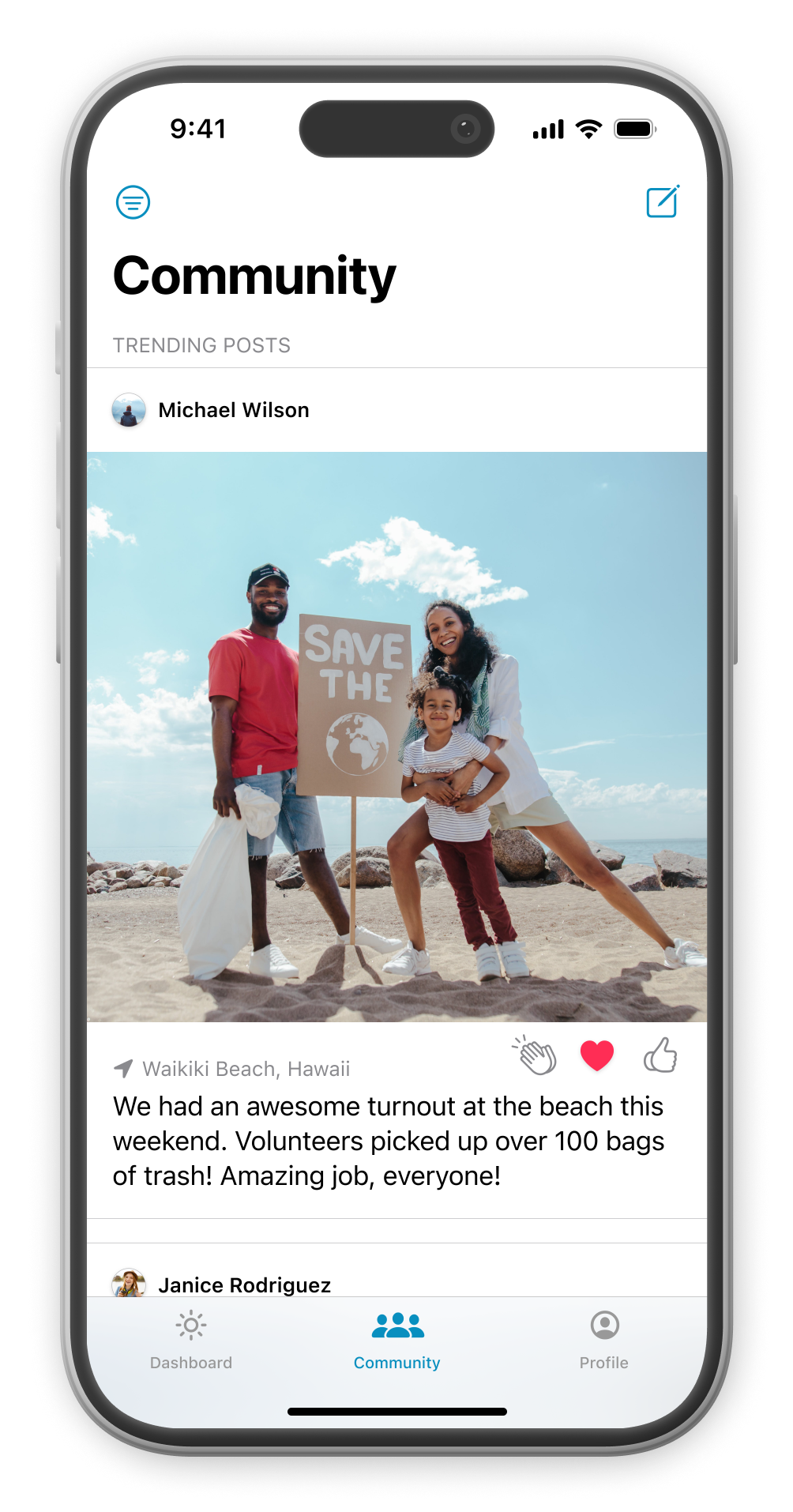
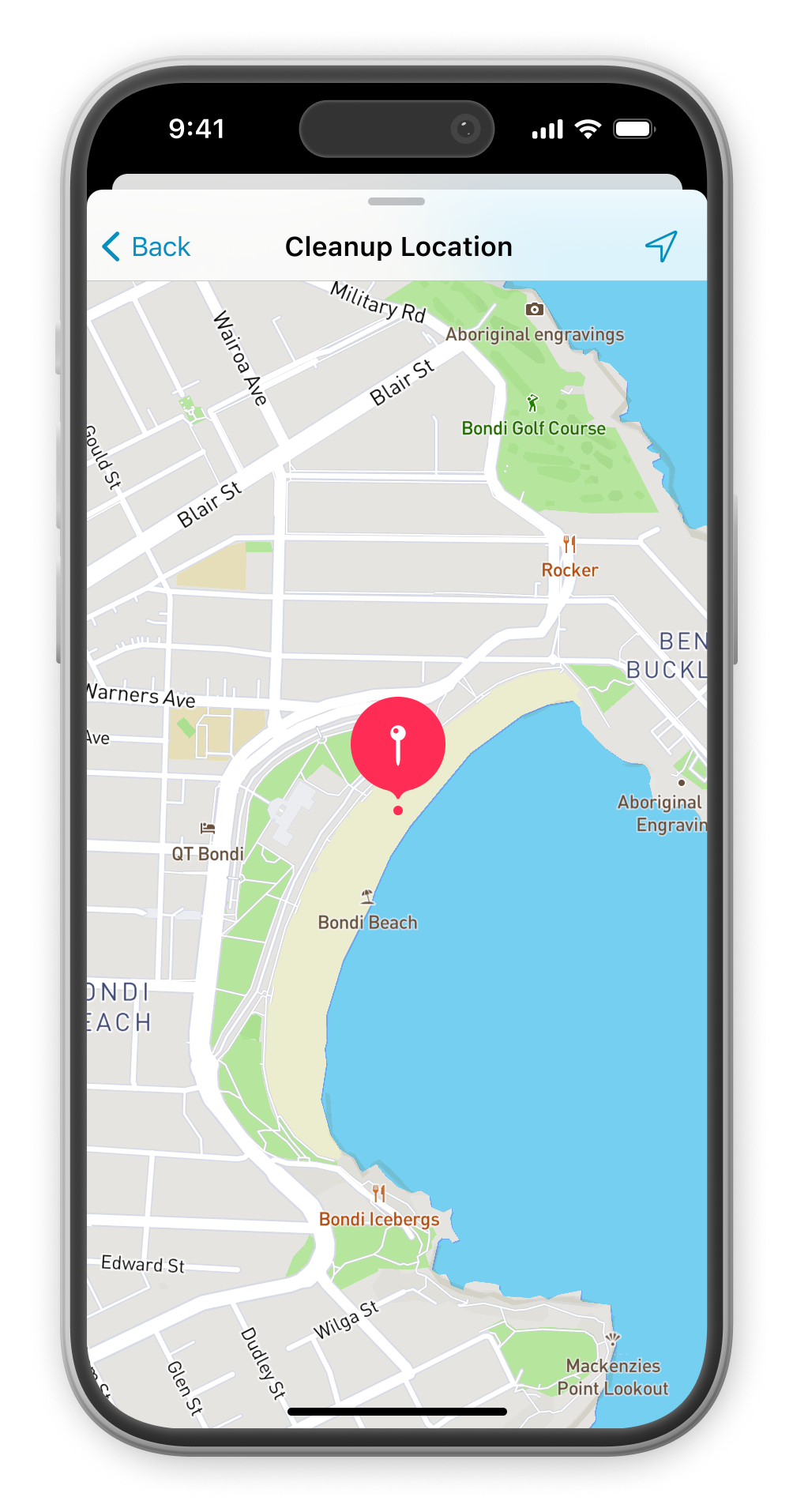
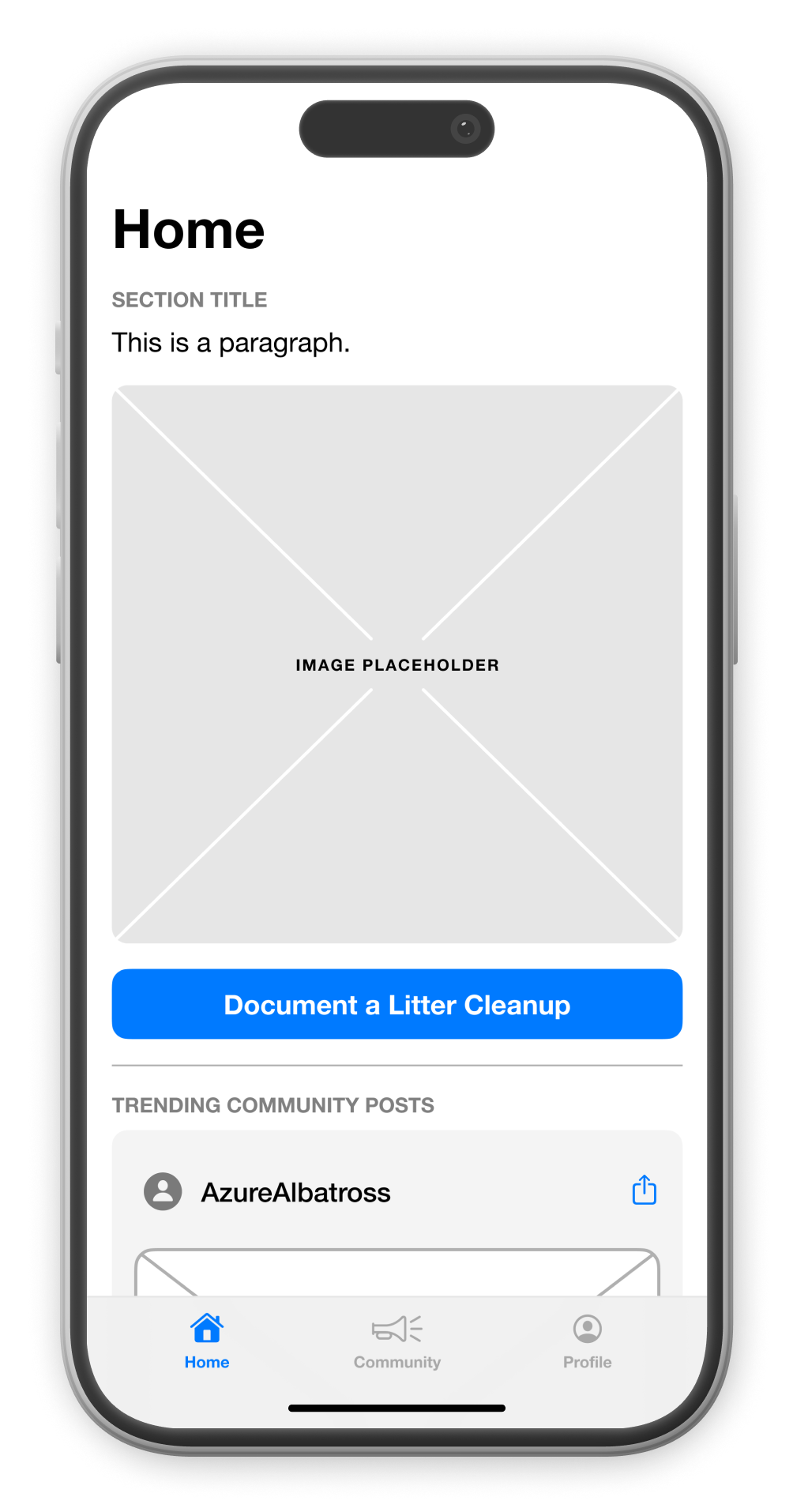
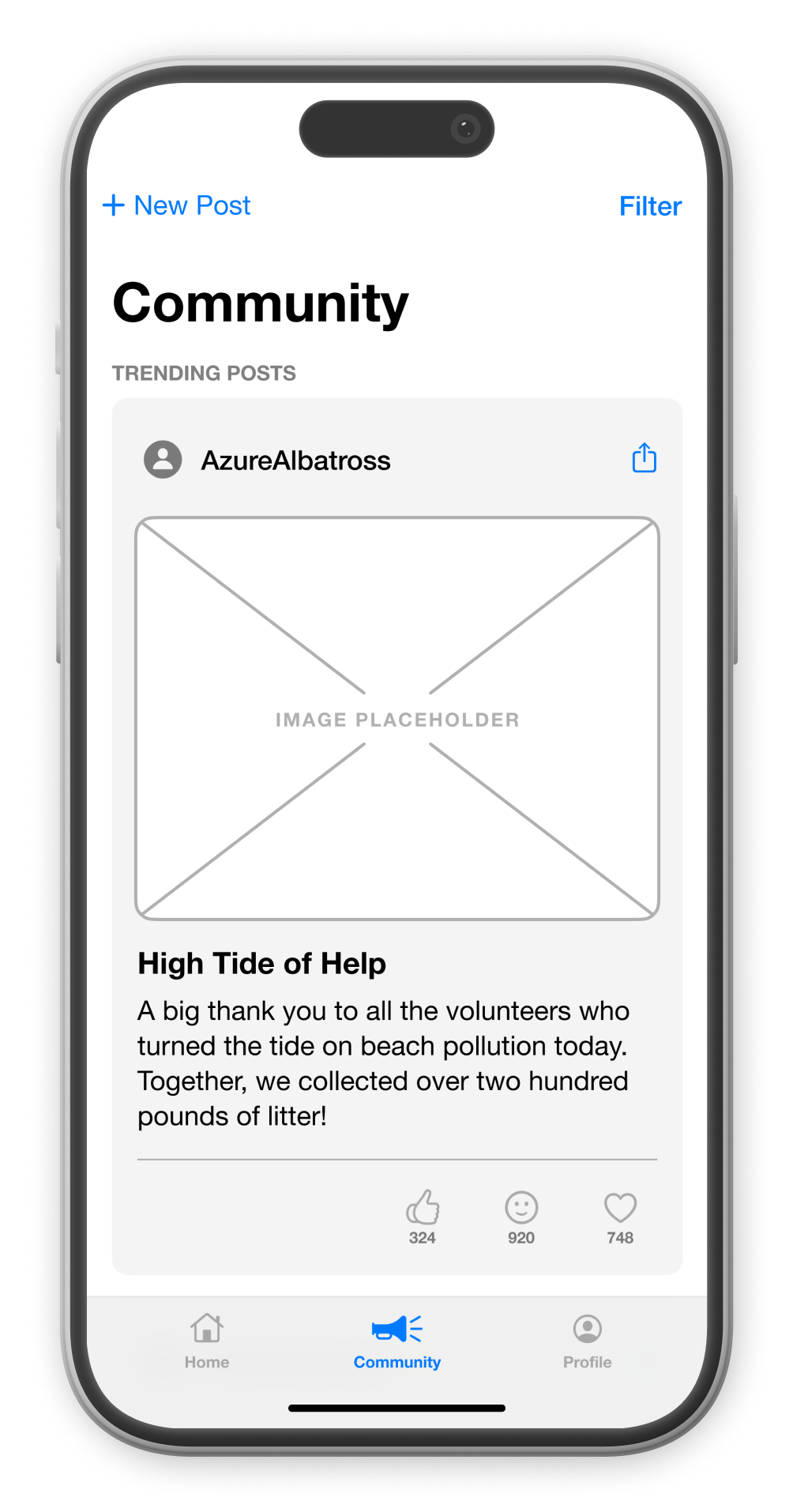
A UX research and prototype case study designed to unite coastal communities with data-driven cleanup efforts. The app incorporates a gamified rewards system and a community engagement board.

Three iPhones showing the Community, Splash Screen, and Cleanup pages for the app

The Problem

Coastal cleanup efforts are limited by a lack of scalability, making it hard to coordinate and validate community efforts. The cleanup efforts that do happen aren't always accounted for during community research and planning.

The Solution

Communities needed a tool to organize and report their efforts for waste tracking and prevention. Cleaner Coast provides a motivational experience to coastal volunteers, with gamified rewards points and a community board to celebrate their efforts.

The Process

Initial wireframes had the same app features, but users preferred a dashboard-like interface for quick access to the app's tools. They wanted to see a more content-focused social media feed, with the final design making the images and captions priority.

The Results

After iterative design based on user feedback, the final case study exemplifies user-centered design. While the app is a conceptual project, it showcases the potential for such a tool at a time when the climate is more precious than ever.

Toastify

Bread's best friend.

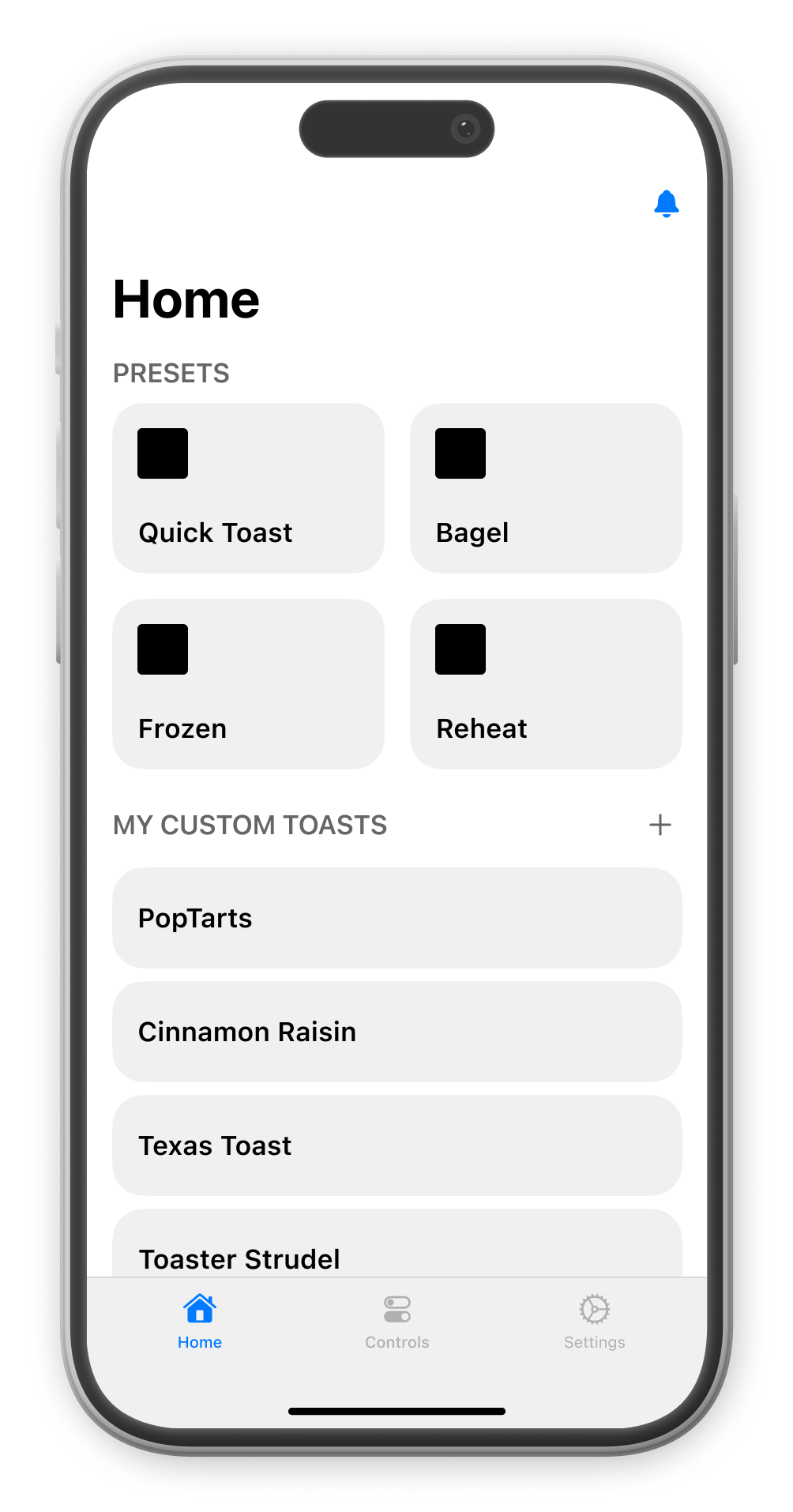
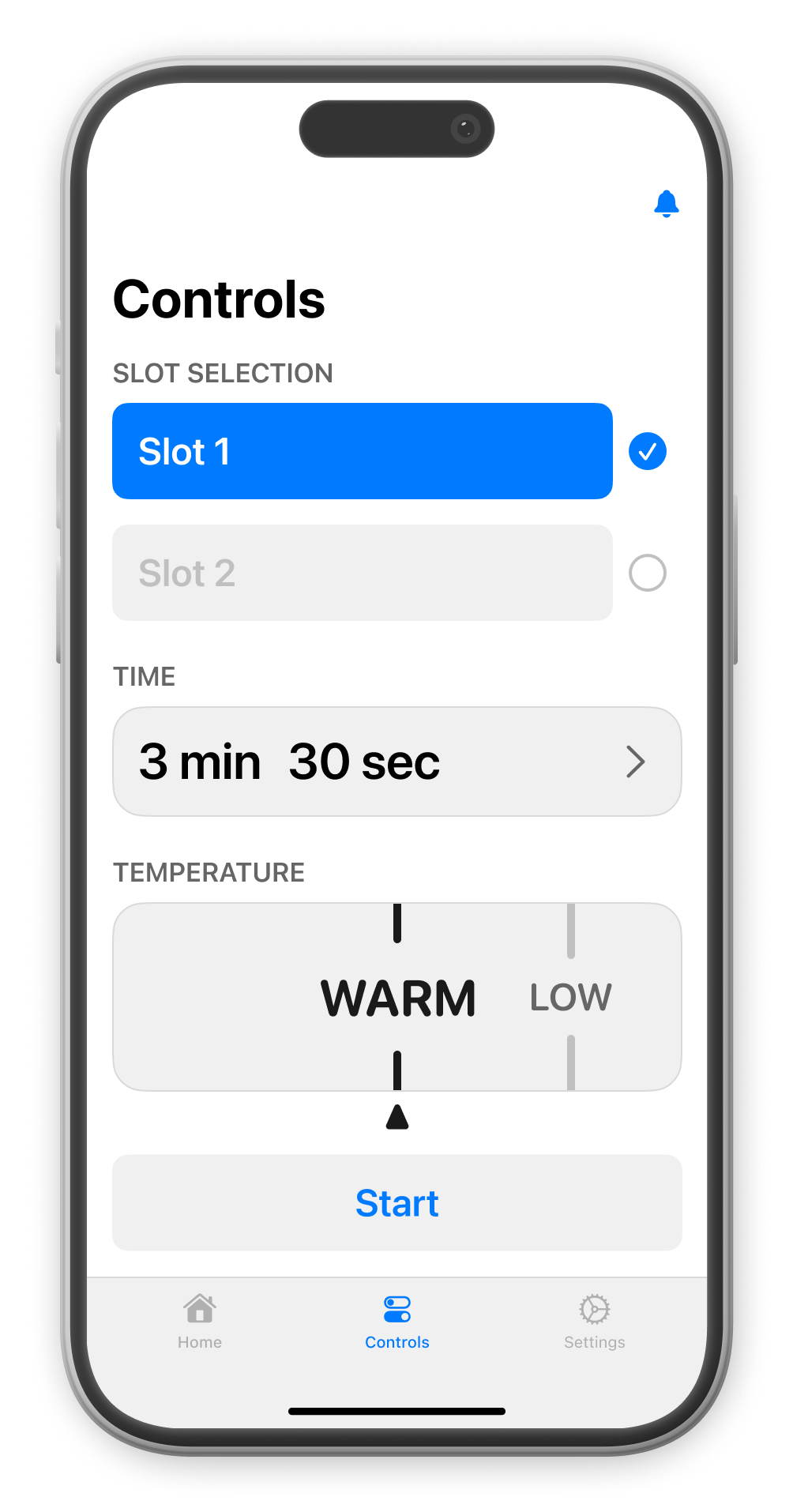
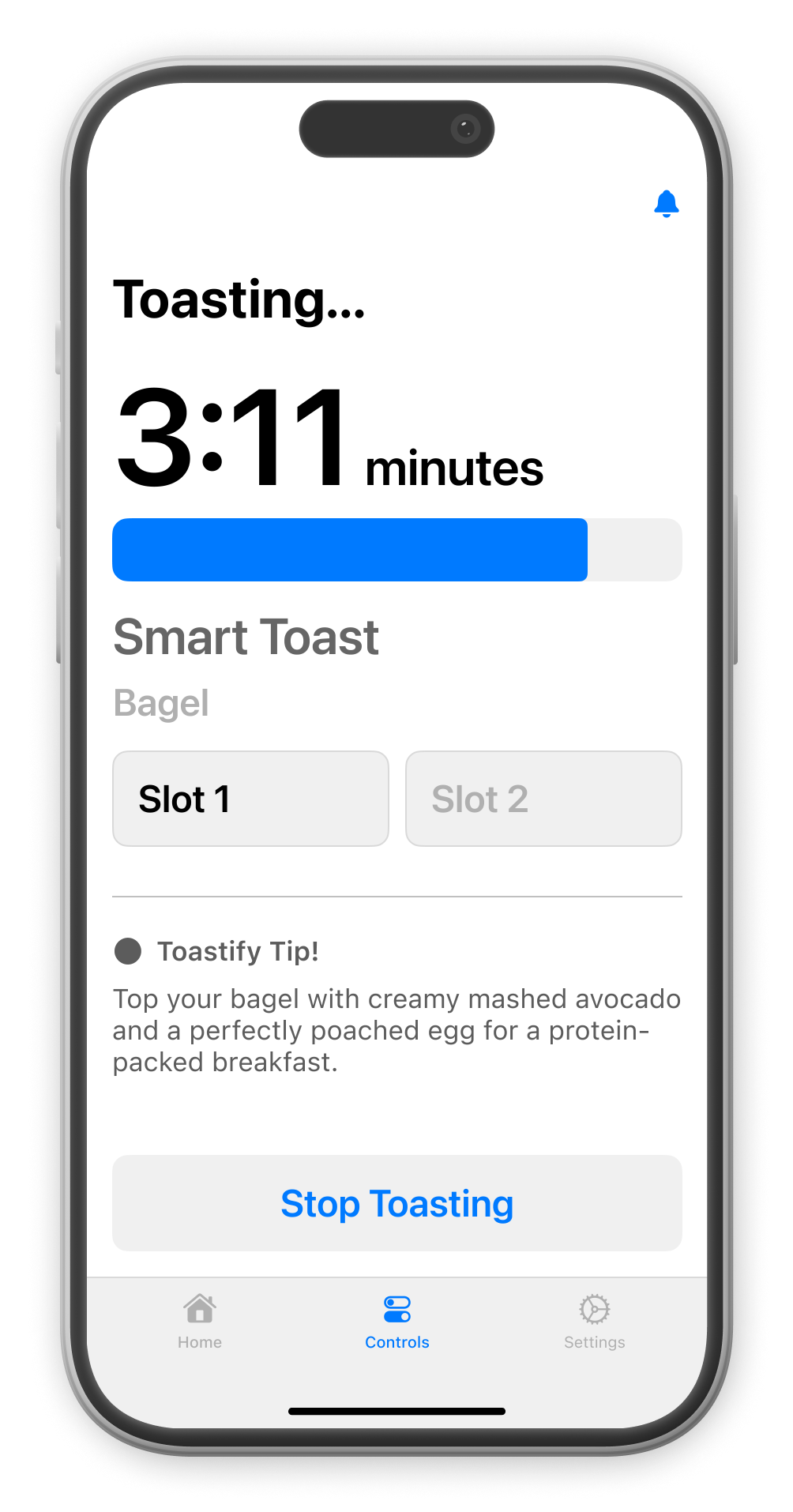
A smart appliance companion app case study created with Figma. Users can connect their smart toaster and use its sensors for the perfect toast, every time.

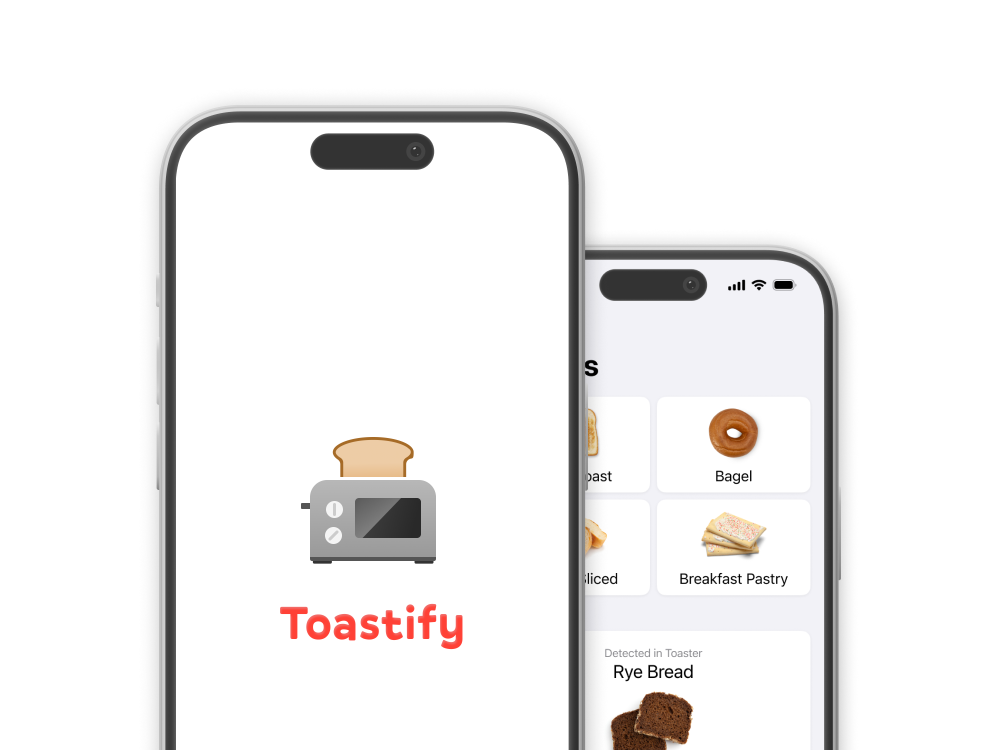
Two iPhones showing the Splash Screen and Home Screen pages for the app

The Problem

Toaster users often face inconsistency with their toast results, with different bread types and uneven heating leading to unsatisfactory results and wasted food. Smart toasters are uncommon, with a current gap in the market.

The Solution

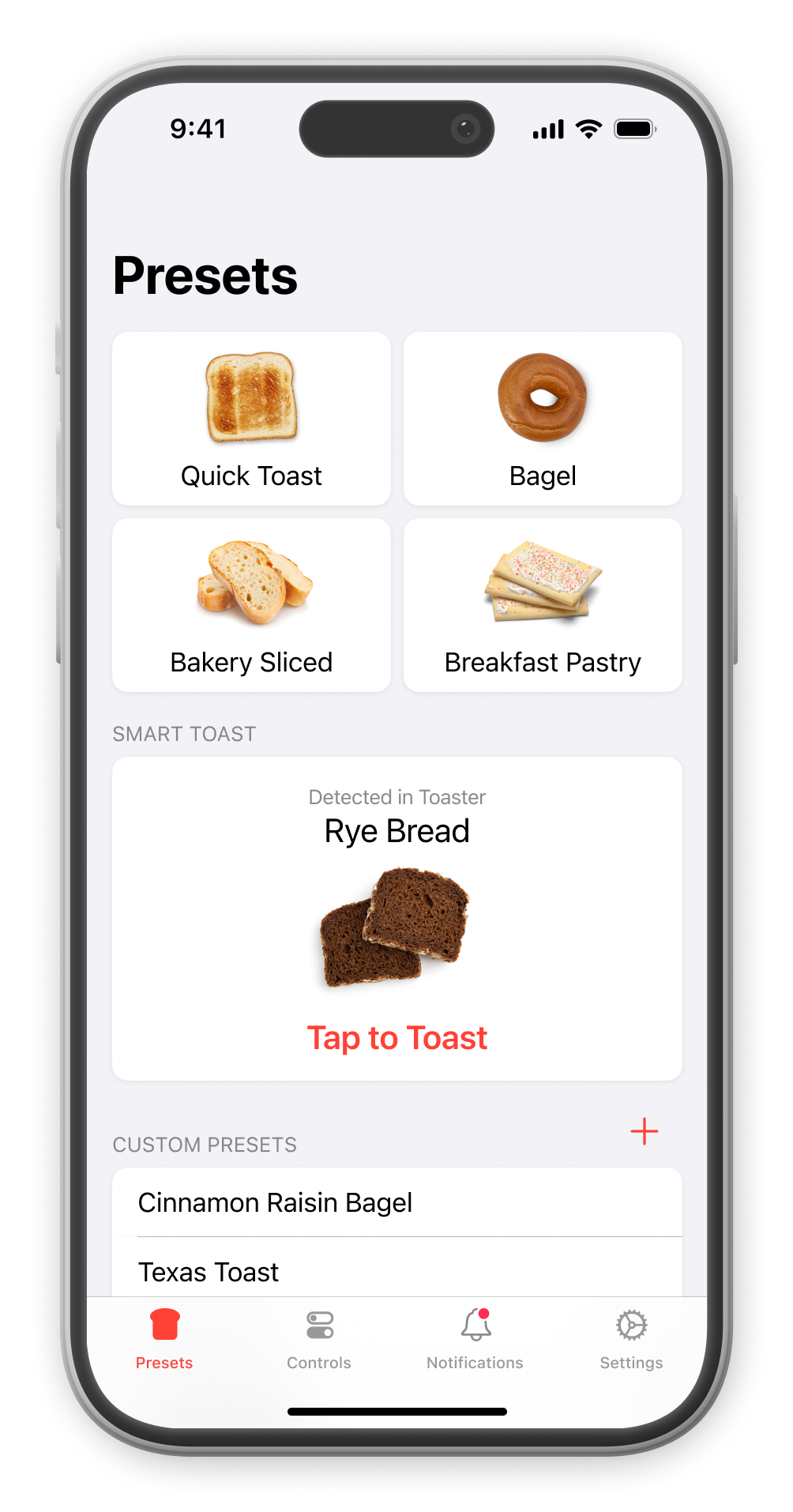
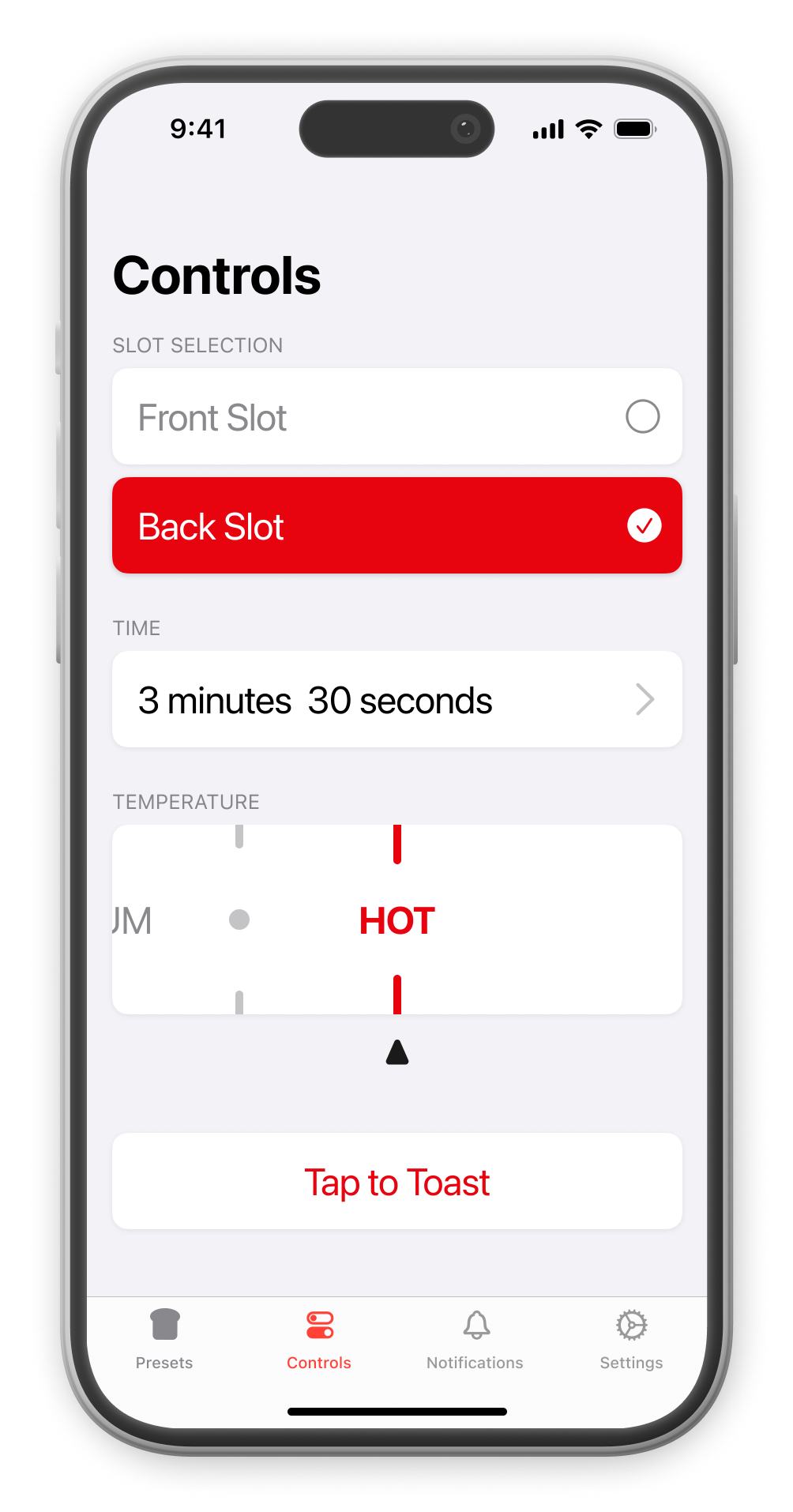
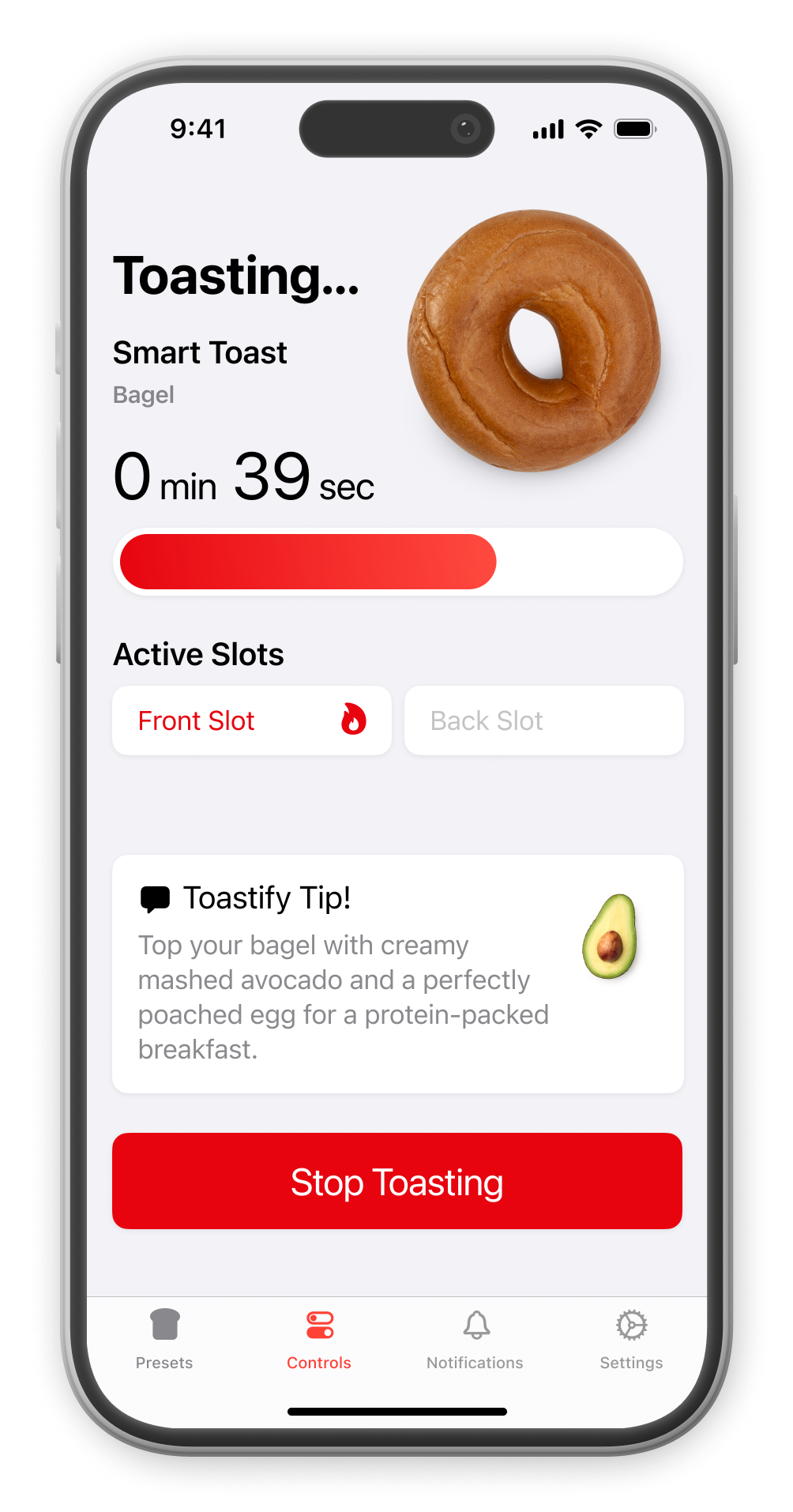
Toastify is imagined as a companion app for a fictitious Toastify toaster, which has built-in sensors that calibrate the toasting process to each item you toast. The app also alerts you when toast is ready, and provides customizable presets for your favorite breads.

The Process

Design started with core features such as sensor-based bread detection, a smart toasting algorithm, and customizable presets. Users requested light enhancements to the design such as higher contrast elements. The top right notification icon is a known iOS design pattern, but users found the location confusing in this context.

The Results

This toaster companion app case study showcases some unique benefits that a smart toaster could provide its users. Though the user research and iterative design produced a nice result, I chose this case study from a limited list. The feature set may be better suited to an on-device interface.